
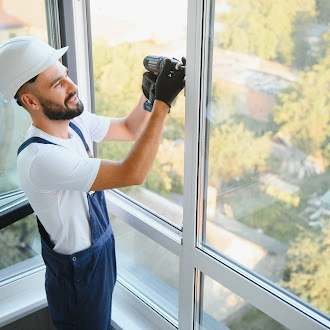
Installing new windows is one of the best ways to improve your home’s comfort, energy efficiency, and overall appearance. Whether you are upgrading outdated windows or planning a complete home renovation, choosing the right residential window installation solution can make a major difference in your property’s value and functionality.
Modern energy-efficient windows help reduce heat loss, improve indoor insulation, lower utility bills, and enhance curb appeal. However, proper installation is just as important as choosing high-quality windows. Poorly installed windows can lead to air leaks, moisture damage, drafts, and expensive repairs in the future.
In this complete window installation guide, homeowners will learn about the installation process, window replacement signs, installation costs, window types, and the benefits of hiring professional window installers.
Why Professional Window Installation Matters
Window installation is more than simply placing a window into an opening. Proper installation requires precision measurements, sealing expertise, structural inspection, and professional tools to ensure long-lasting performance.
Incorrect installation can cause:
- Air leaks and drafts
- Water infiltration
- Mold and moisture issues
- Reduced energy efficiency
- Higher heating and cooling costs
- Difficulty opening or closing windows
Professional residential window installation ensures your windows are secure, weather-resistant, and properly insulated for maximum performance.
Experienced installers also understand local building codes, safety standards, and proper sealing methods that protect your home from long-term structural damage.
Benefits of Professional Residential Window Services
Hiring professional window installers offers several long-term advantages for homeowners.
Accurate Measurements
Precise measurements ensure your new windows fit perfectly within the existing frame, preventing gaps and installation issues.
Proper Sealing and Insulation
Professional sealing reduces energy loss and helps maintain consistent indoor temperatures throughout the year.
Faster Installation Process
Experienced installers complete projects efficiently while minimizing disruption to your daily routine.
Improved Energy Efficiency
Energy-efficient window installation can reduce heating and cooling costs by improving insulation and preventing air leakage.
Warranty Protection
Many professional window installation companies provide warranties on both products and labor, giving homeowners peace of mind.
Enhanced Home Value
Modern replacement windows improve curb appeal and can increase the resale value of your property.
Step-by-Step Window Installation Process
Understanding the home window installation process helps homeowners know what to expect during the project.
1. Initial Inspection
The installation team inspects the existing windows, surrounding structure, and wall condition to identify any damage or structural concerns before installation begins.
2. Accurate Measurements
Precise measurements are taken to ensure the replacement windows fit correctly and operate smoothly after installation.
3. Removal of Old Windows
The old windows are carefully removed without damaging the surrounding walls, trim, or siding.
4. Preparing the Opening
The opening is cleaned and inspected for moisture damage, rot, or cracks that could affect the new installation.
5. Window Frame Installation
The new frame is positioned, leveled, and secured properly to ensure structural stability and smooth operation.
6. Installing the Window
The replacement window is carefully fitted into the frame and adjusted for proper alignment.
7. Sealing and Insulation
Professional-grade sealants and insulation materials are applied to eliminate gaps and prevent air or water leaks.
8. Final Inspection and Cleanup
The installers test the window operation, inspect the sealing, and clean the work area to ensure everything meets quality standards.
Signs You Need Home Window Replacement
Many homeowners continue repairing old windows when replacement would be more cost-effective in the long run.
Here are common signs you may need home window replacement:
- Rising energy bills
- Drafts near windows
- Difficulty opening or closing windows
- Condensation between glass panes
- Cracked or damaged frames
- Outside noise entering the home
- Water leaks during rain
- Fading furniture caused by UV exposure
Replacing damaged or outdated windows can significantly improve comfort, insulation, and energy efficiency.
Best Types of Windows for Homes
Choosing the right window type depends on your budget, climate, and home design.
Double-Pane Windows
Double-pane window installation is one of the most popular choices for homeowners because it improves insulation and reduces outside noise.
Vinyl Windows
Vinyl windows are affordable, low-maintenance, and energy-efficient, making them ideal for modern homes.
Casement Windows
Casement windows provide excellent ventilation and create a tight seal for better energy performance.
Sliding Windows
Sliding windows are easy to operate and work well in spaces with limited clearance.
Bay Windows
Bay windows add natural light, visual appeal, and extra interior space.
Energy-Efficient Windows
Energy-efficient windows feature advanced glass coatings and insulation technology designed to reduce heat transfer and lower utility costs. Adding the right custom window treatments can further improve insulation, block excess sunlight, and enhance overall energy savings.
How Much Does Window Installation Cost?
Window installation costs vary depending on several factors, including:
- Window size
- Window material
- Glass type
- Labor costs
- Window style
- Structural repairs needed
- Number of windows installed
Estimated Window Installation Cost
| Window Type | Estimated Installation Cost (Per Window) | Best For |
|---|---|---|
| Single-Hung Windows | $250 – $700 | Budget-friendly residential homes |
| Double-Hung Windows | $400 – $1,000 | Ventilation and easy cleaning |
| Casement Windows | $500 – $1,200 | Energy efficiency and airflow |
| Sliding Windows | $400 – $1,300 | Modern homes and wide openings |
| Picture Windows | $650 – $2,000 | Natural light and outdoor views |
| Bay Windows | $1,500 – $5,000 | Expanding interior space and curb appeal |
| Bow Windows | $2,000 – $6,000 | Large panoramic window designs |
| Vinyl Windows | $300 – $1,200 | Low-maintenance and affordable upgrades |
| Fiberglass Windows | $600 – $2,500 | Durability and energy efficiency |
| Wood Windows | $800 – $3,000 | Traditional and luxury homes |
| Double-Pane Windows | $450 – $1,500 | Improved insulation and energy savings |
| Energy-Efficient Windows | $500 – $2,000 | Lower energy bills and better comfort |
On average, homeowners can expect residential window installation costs to range from a few hundred to several thousand dollars, depending on the project size and customization.
High-performance windows may cost more initially but often provide better energy savings over time.
DIY vs Professional Window Installation
Some homeowners attempt DIY window installation to reduce costs. However, improper installation can lead to expensive repairs and reduced energy efficiency.
DIY Installation Risks
- Incorrect measurements
- Poor sealing
- Water damage
- Air leaks
- Structural issues
- Safety hazards
Why Professional Installation Is Better
Professional window installers have the tools, experience, and knowledge needed to ensure proper fitting, insulation, and long-term performance.
For large or complex projects, hiring experts is strongly recommended.
Common Window Installation Mistakes to Avoid
Avoiding installation mistakes helps maximize the lifespan and performance of your windows.
Common mistakes include:
- Incorrect window measurements
- Poor insulation around frames
- Improper sealing
- Using low-quality materials
- Ignoring moisture damage
- Installing windows without leveling
- Hiring inexperienced contractors
Professional installation helps prevent these costly issues.
How Long Do Replacement Windows Last?
The lifespan of replacement windows depends on the quality of the materials, installation method, and maintenance.
Average lifespan by material:
- Vinyl windows: 20–30 years
- Wood windows: 15–30 years
- Fiberglass windows: 30–50 years
- Aluminum windows: 20–25 years
Proper maintenance and professional installation can significantly extend the window’s lifespan.
Conclusion
Investing in professional window installation is one of the most effective ways to improve your home’s comfort, energy efficiency, security, and appearance. Whether you are replacing outdated windows or upgrading to energy-efficient models, proper installation plays a critical role in long-term performance.
Understanding the window installation process, replacement signs, and window types helps homeowners make informed decisions that protect their investment and improve property value.
For the best results, work with experienced residential window installation professionals who can ensure proper fitting, insulation, and lasting durability.
FAQs
How much does residential window installation cost?
The cost of residential window installation depends on the window type, material, size, labor requirements, and project complexity. Larger custom windows and energy-efficient upgrades generally cost more than standard installations.
What are the best windows for energy efficiency?
Double-pane and ENERGY STAR® certified windows are among the best options for improving insulation, reducing energy bills, and maintaining indoor comfort throughout the year.
How long does window installation take?
Most standard window installations take between 30 minutes and 2 hours per window. Full-home window replacement projects may take one to three days, depending on the number of windows involved.
Can I install replacement windows myself?
DIY installation is possible for simple projects, but professional installation is recommended to avoid air leaks, structural issues, and improper sealing.
When should I replace my home windows?
You should consider home window replacement if your windows have drafts, condensation between panes, rising energy bills, damaged frames, or difficulty opening and closing.
Are energy-efficient windows worth it?
Yes, energy-efficient windows help reduce utility costs, improve indoor comfort, minimize UV damage, and increase overall home value over time.